
2025
BYLTE
Overview
Independent fashion retailers struggle with visibility, leaving consumers with no intuitive way to discover unique, local brands beyond word of mouth and fragmented social media searches.
As a UX Researcher on Bylte, I helped design a map-based app bridging the gap between fashion-conscious users and local retailers for a short Design competition.
What I Did
User Research
User Interface Design
Prototyping
Team Members
Ethan Li
Faith Leung
Rebecca Yeung
Tirsten Lisondra (Me)
Timeline
May 2025 (2 Weeks)
The Problem
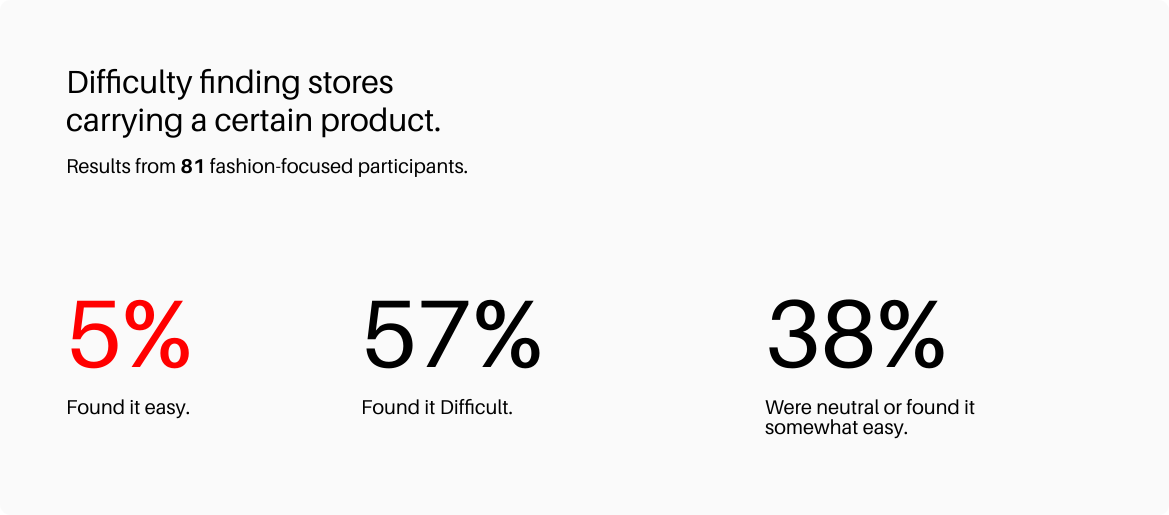
People who want unique fashion pieces have a hard time finding small boutiques because most shopping sites and search engines focus on big brands.
Identifying Gaps within Dominant Platforms
Looking into our direct competition,
I discovered major shortcomings.
Discovery Gap
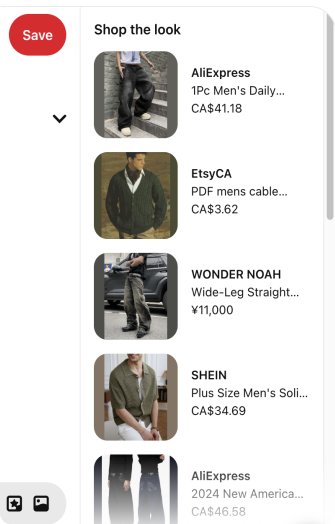
Pinterest offers an innovative ‘Shop the Look’ feature, but the curated items often don’t match the products shown in the photos.
Lacks Specificity
Users often get broad results with limited relevance to niche fashion interests, requiring extra effort to find hidden gems.
Visibility Gap
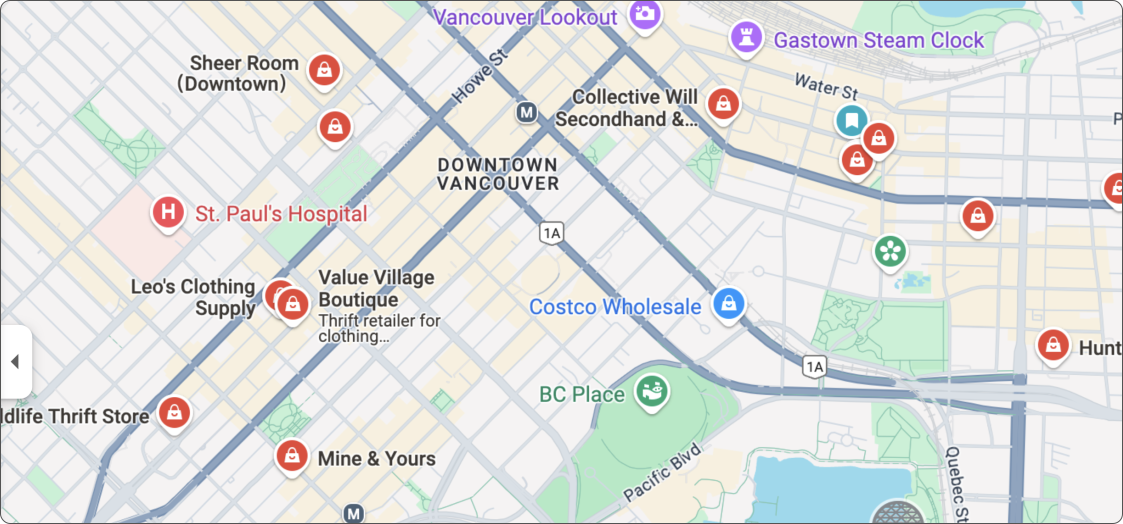
Google Maps tends to prioritize larger chain stores in search results, making it difficult for users to discover small, independent boutiques.
Ideating A Solution
I conducted a week-long UXR campaign to determine what they would need from a potential solution.
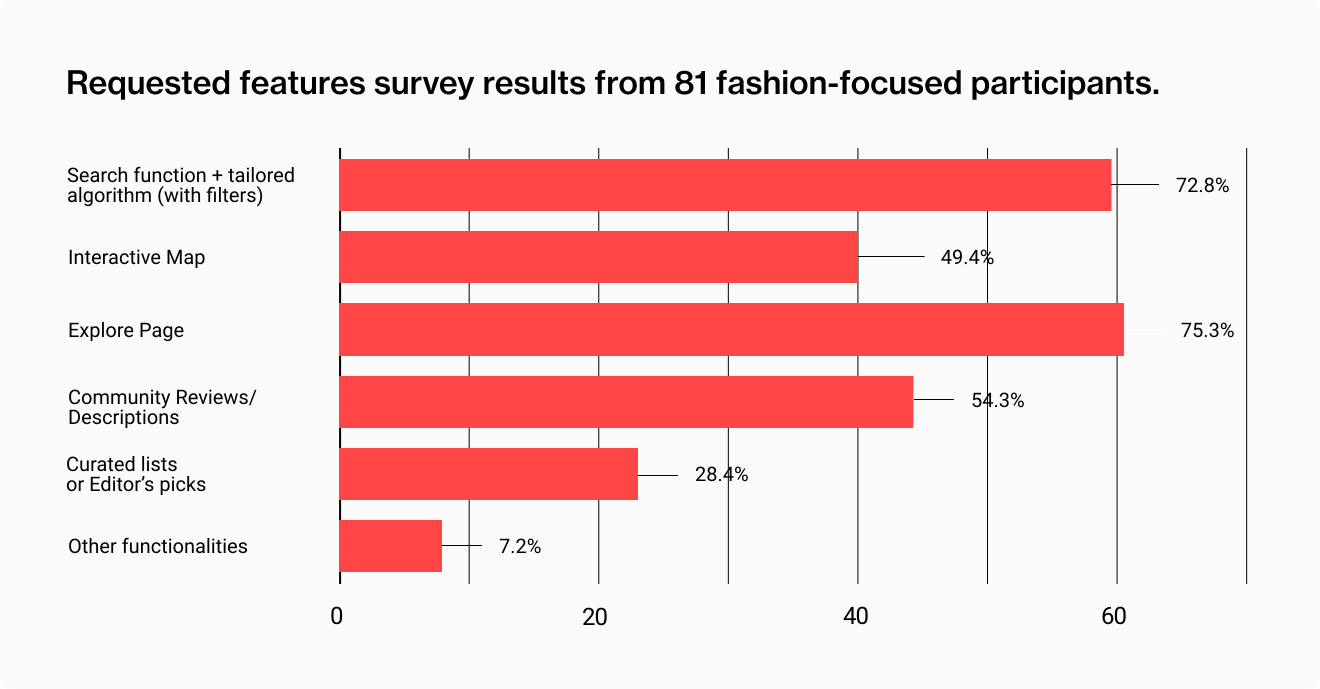
Research Initiative.
As the lead on user and competitor research, I analyzed map-based platforms, identifying pain points and conducting surveys to inform our design decisions.
After gathering the results, we came up with a question to guide our design process:
How might different navigational approaches impact user engagement and satisfaction when looking for specialty fashion?
The Process – 1
To start, I decided on 3 key design principles:
1. Inclusive at the Core
Prioritizing small-scale retailers and niche boutiques.
2. Readable by Design
High contrast between text and background for accessibility.
3. Visual Consistency
Consistent layout patterns across pages for intuitive navigation.
The Process - 2
To establish consistency across each collaborator,
I created a design system.
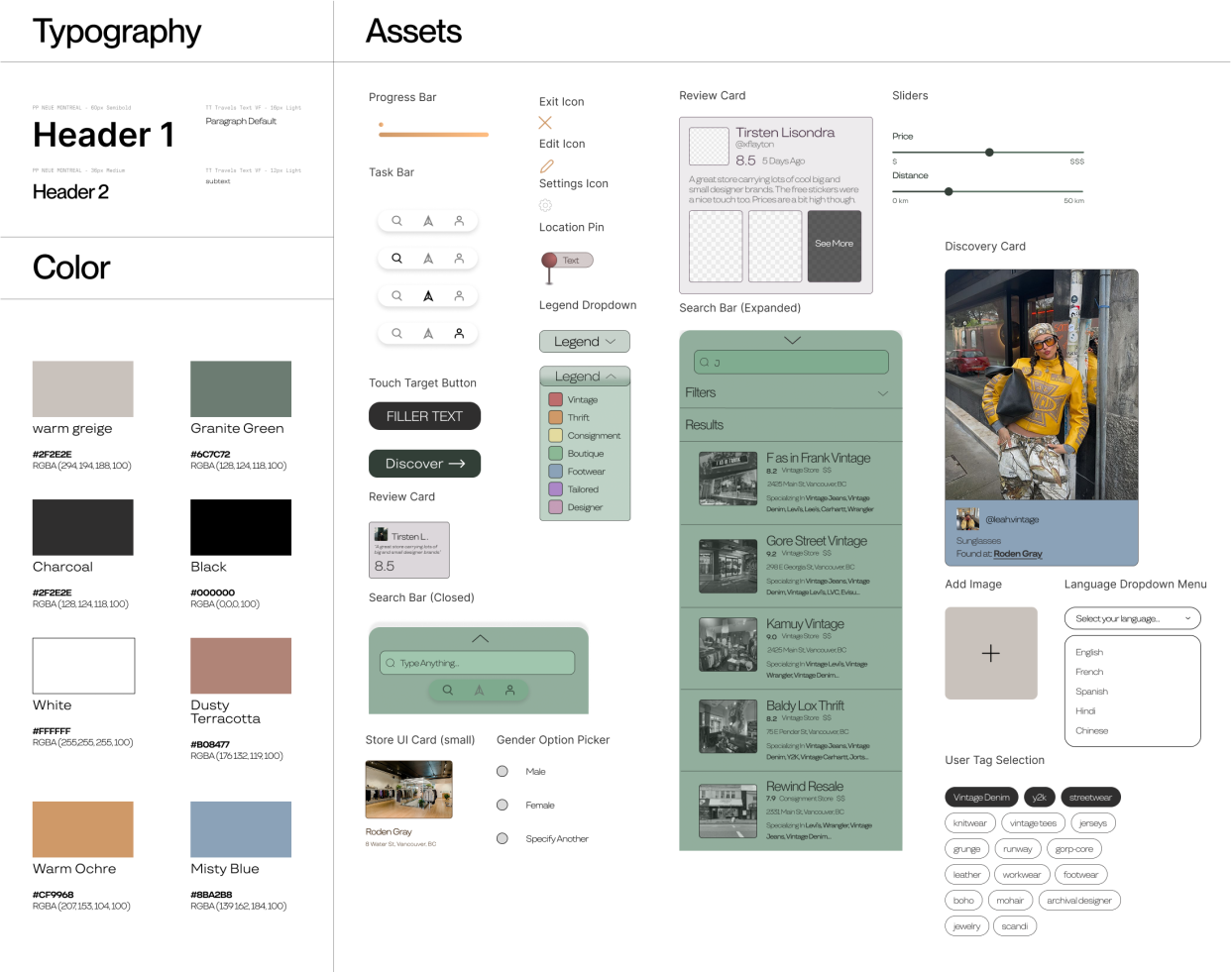
The Rationale
The idea of a customizable, tailored experience really spoke to me using a range of varying colors rather than two main contrasting ones.
The final colors are made to be a muted version of their base colors to be easier on the eyes of the viewers, reducing visual clutter, and overall making the application more user friendly.
The Process - 3
Collecting inspiration from mobile wallets.
I created a wallet-like home screen.
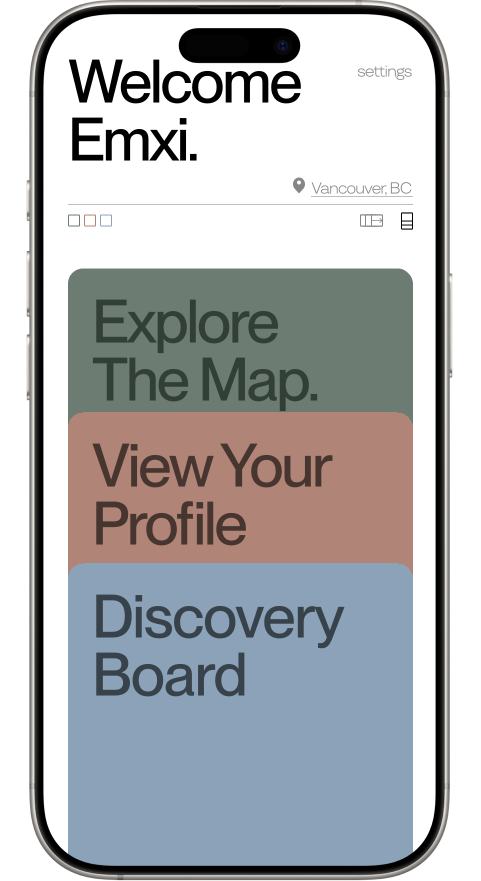
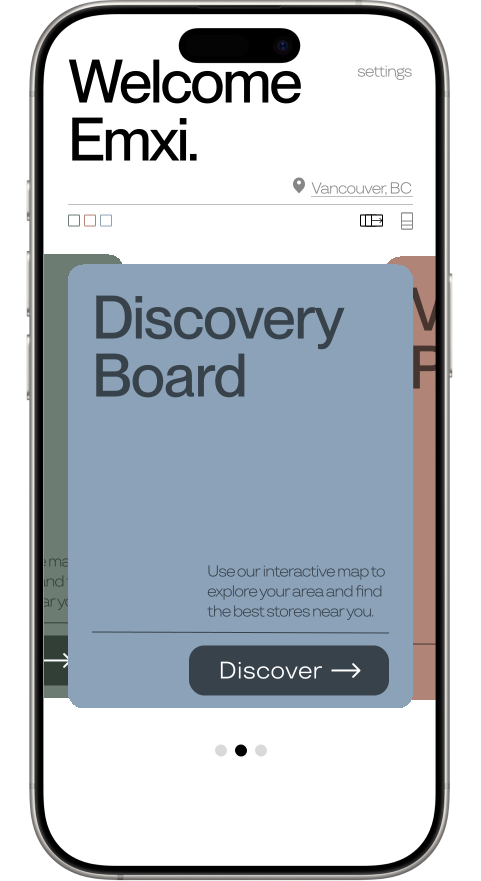
Intuitive and Frictionless
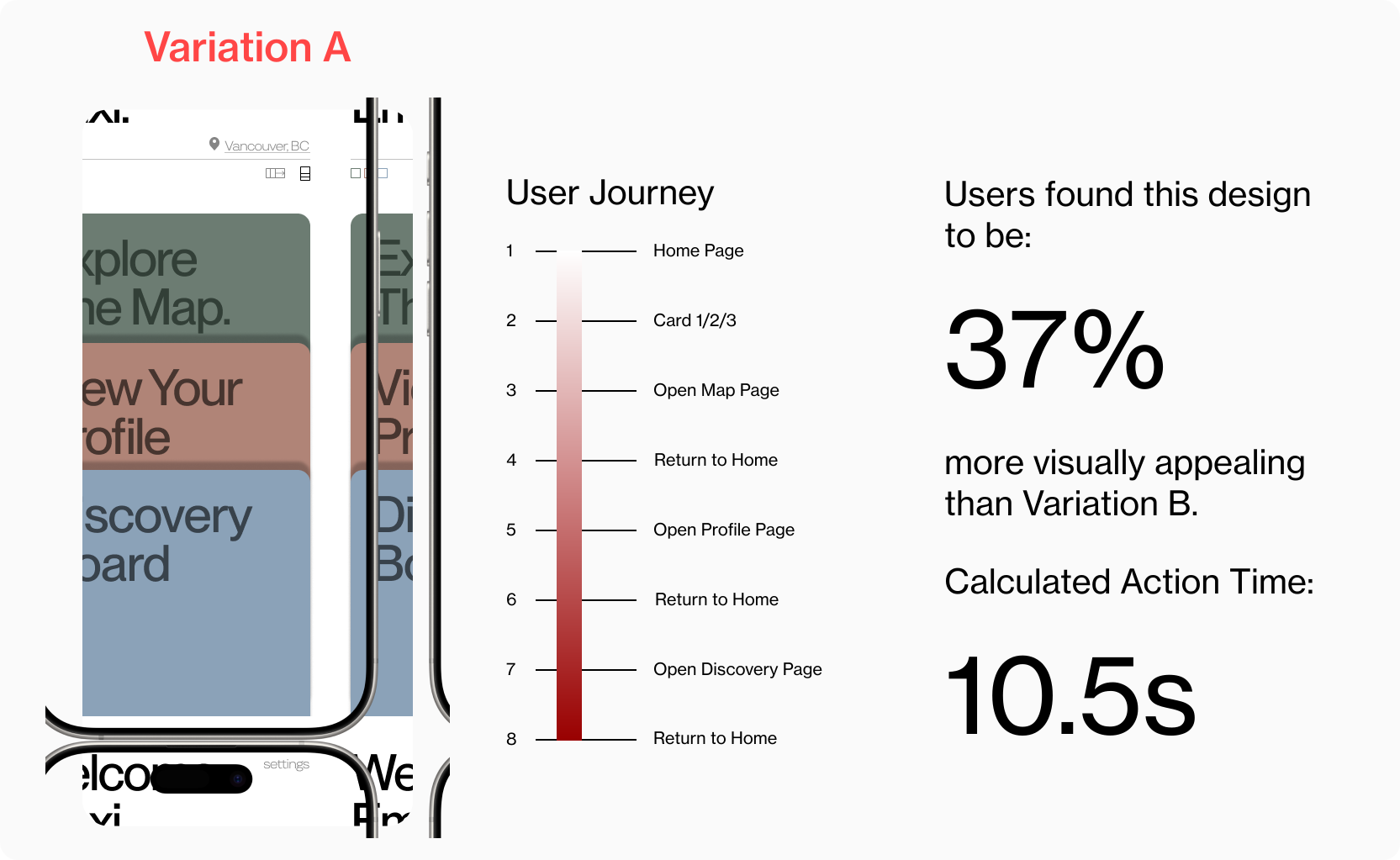
I designed a dynamic, intractable home screen with both vertical and horizontal views.
Embracing Feedback and Iteration
Staying open minded during the design process allows me to create solutions that truly meet users’ needs rather than clinging to initial concepts.
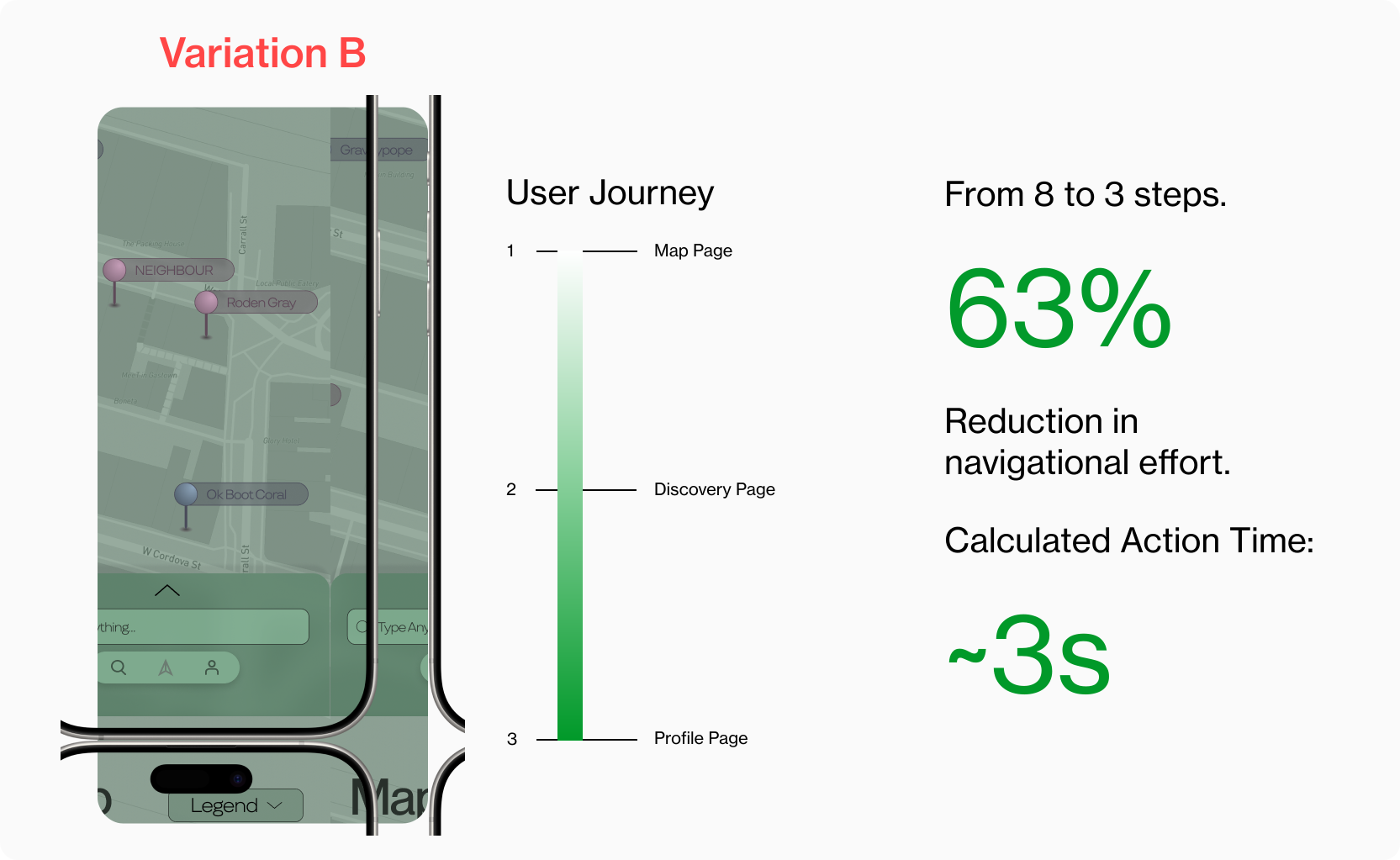
The wallet concept became redundant once we introduced a bottom navigation bar – I had to let it go.
The Final Product
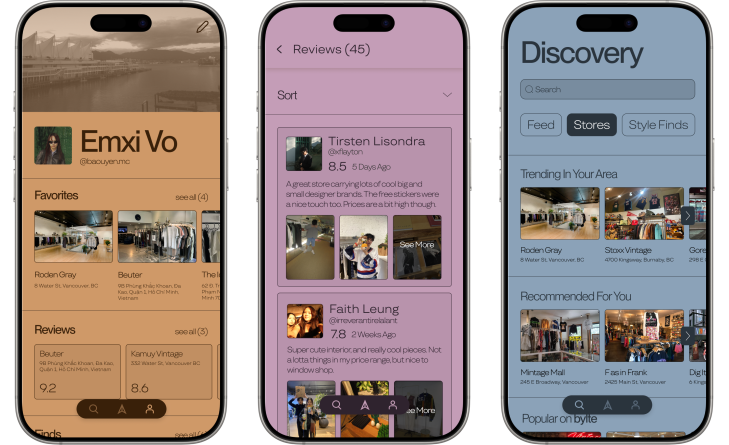
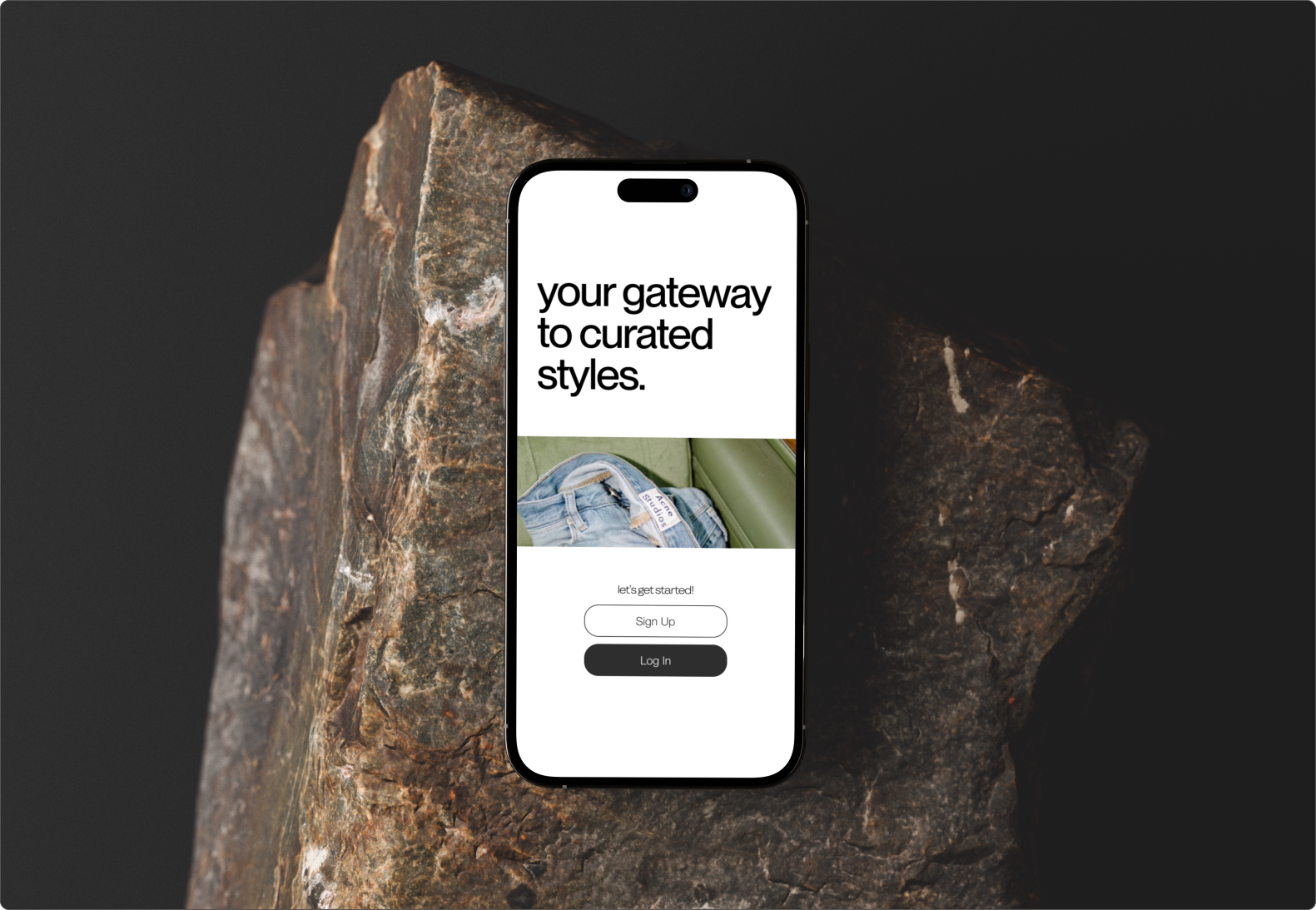
After the two-week sprint, heres a look at the final product.
.svg)
.svg)
Reflecting Back on My Experience
Looking back at the development process, there is always room for improvement.
01.
Research Drives Direction
As the sole UX researcher, I had to use surveys, competitor analysis, and persona development to validate our concept and guide design decisions.
02.
Systems Before Screens
We faced inconsistencies in many ways, which required extra time to fix. I would implement a stricter design system early and ensure ownership for components.
03.
Adapt, Don't Assume
Pivoting early after research led us to a more meaningful solution and reinforced that great design comes from adapting to user needs, not initial assumptions.